761 St Andrews Blvd, Charleston, SC 29407
 (843) 873-6004
 Text Us


IT Band Syndrome
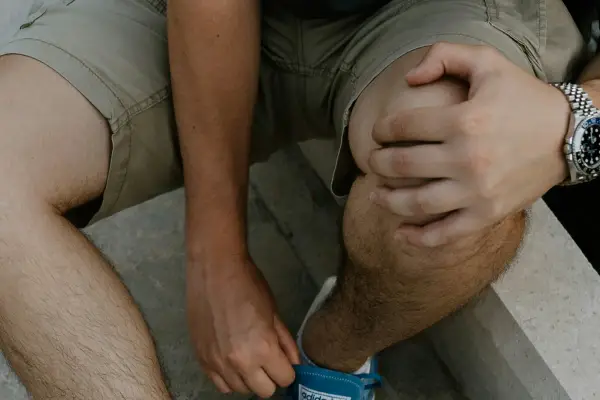
IT Band Syndrome: Why the Pain Is Real — and Why the IT Band Isn’t the Real Problem
IT band syndrome is one of the most common causes of outside knee pain in runners, cyclists, and endurance athletes — but here’s what most people don’t realize:
👉 The IT band is almost never the root cause.
It’s the symptom of a deeper stability problem elsewhere in the body.
After treating thousands of IT band cases over the years, one thing has become crystal clear:
If lateral stability breaks down, the IT band pays the price.
What Is IT Band Syndrome?
The iliotibial (IT) band is a thick band of connective tissue that runs from the hip down the outside of the thigh and crosses the knee. When it becomes irritated or overloaded, people experience:
- Sharp or burning pain on the outside of the knee
- Pain that worsens with running, cycling, or downhill movement
- Tenderness along the outside thigh or knee
- Pain that feels deep, stubborn, and hard to “stretch out”
What makes IT band pain so frustrating is that stretching and foam rolling rarely fix it long-term — because the IT band itself isn’t actually the problem.
The Overlooked Root Cause: Lateral Stability Failure
In runners and endurance athletes, IT band syndrome almost always shows up when the body loses lateral stability — the ability to control side-to-side movement efficiently.
Several muscle groups play a critical role in this stability system:
- Gluteus medius & glute max (hip control)
- Quadratus lumborum (QL) (pelvic stability)
- Groin & adductors (inner thigh balance)
- Peroneal muscles (ankle and foot control)
- Deep core and pelvic stabilizers
- Even the jaw and neck musculature, which influence posture and neurological tone
When one or more of these muscles stops doing its job effectively, the body compensates.
And very often, that compensation gets dumped straight into the IT band.
Why IT Band Pain Can Feel Like Knee Damage
Here’s something most people — and even many providers — miss:
👉 The IT band has attachments into the lateral meniscus of the knee.
That means IT band dysfunction can create:
- Severe outer knee pain
- Pain that feels deep inside the joint
- Pain that mimics meniscus injury or arthritis
This is why many runners are told they have “bad knees” when the real issue is soft tissue overload and stability failure.
The Two Types of IT Band Patients (And Why It Matters)
Clinically, IT band syndrome tends to show up in two very distinct patterns:
Type 1: Pain at the Start of the Run
These patients say:
- “My knee hurts like crazy at the beginning”
- “Once I warm up, it eases off”
- “But later that night or the next morning, it’s worse”
This pattern usually points to:
- Scar tissue and fascial restrictions
- Tissues that stiffen during rest and loosen with movement
- Pain that temporarily shuts off once the tissue warms up — then flares later due to inflammation
In these cases, movement masks the problem temporarily, but the damage continues.
Type 2: Pain That Shows Up After Miles
These patients say:
- “I feel great at the start”
- “After 3–5 miles, the pain hits suddenly”
- “Once it starts, it doesn’t go away”
This pattern almost always signals:
- Endurance-based lateral stability failure
- Muscles fatiguing and losing control over time
- The IT band taking over as a stabilizer when it shouldn’t
These runners don’t need more stretching — they need better load sharing and muscle activation.
Why Foam Rolling and Stretching Usually Fail
The IT band itself doesn’t stretch well.
Rolling it aggressively often just irritates an already overloaded structure.
Without addressing:
- Scar tissue
- Fascial restrictions
- Weak or inhibited stabilizers
…the pain keeps coming back.
That’s why so many runners feel stuck in a cycle of:
How We Treat IT Band Syndrome Differently
The goal isn’t just pain relief — it’s fixing the reason the IT band is overworking in the first place.
Step 1: Active Release Technique (ART)
We use Active Release Technique, a patented myofascial release method designed to:
- Break down scar tissue within muscles and fascia
- Restore normal tissue glide
- Reduce abnormal tension pulling on the knee
- Immediately improve movement and comfort
This isn’t passive massage — it’s precise, movement-based tissue work.
Step 2: Identify the Weak Link
Once the restriction is cleared, we evaluate:
- Glute function
- Pelvic control
- Core stability
- Foot and ankle mechanics
- Running-specific movement patterns
If we don’t fix the weakness, the problem comes back. Period.
Step 3: SoftWave Therapy (When Inflammation Is High)
In stubborn or highly inflamed cases, we incorporate SoftWave Therapy to:
- Flush inflammatory chemicals from the tissue
- Increase blood flow and cellular repair
- Stimulate stem cell activation in the affected area
- peed up recovery when pain has become chronic
This is especially helpful when pain has been lingering for months or years.
The Bottom Line
IT band syndrome isn’t a knee problem.
It’s a stability problem that shows up at the knee.
If you’ve tried stretching, rolling, rest, or generic rehab and your pain keeps coming back, it’s time to look deeper — at how your body stabilizes, loads, and compensates during movement.
Fix the stability.
Fix the tissue.
The pain follows.
IT Band Syndrome FAQs for Runners
It depends on why your IT band is irritated.
Some runners can push through early pain that eases as they warm up, but this often leads to worse inflammation later that day or the next morning. Other runners feel fine initially, only to have sharp outside knee pain appear several miles in — which usually signals fatigue-related lateral instability.
Running through IT band pain without addressing the cause often turns a manageable issue into a chronic one.
This is extremely common.
As tissues warm up, scar tissue and fascial restrictions temporarily loosen, which can “turn down” pain signals. Once you cool down, those tissues stiffen again and inflammation flares — causing pain later that night or the next day.
This doesn’t mean the problem is gone. It means it’s being temporarily masked by movement.
When pain appears after 3–5 miles, it’s usually not a flexibility issue — it’s a stability endurance issue.
As stabilizing muscles like the glutes, core, and lateral hip fatigue, the IT band is forced to take over as a stabilizer. Over time, this overload creates friction, irritation, and sharp outside knee pain.
Stretching won’t fix this. Improving load sharing and muscle endurance will.
Foam rolling may give short-term relief, but it rarely solves the problem.
The IT band itself doesn’t stretch well, and aggressive rolling can actually increase irritation. Most runners get better results by treating the muscles that feed into the IT band and addressing the weaknesses that caused it to overwork in the first place.
Both — but it usually starts at the hip and pelvis.
Weak or inhibited lateral stabilizers (especially the glutes and core) change how force travels through the leg. The IT band becomes overloaded and pulls excessively at the knee, sometimes even irritating the lateral meniscus.
That’s why IT band pain often feels like a knee injury even when the knee itself is structurally healthy.
Yes.
The IT band has attachments that influence the lateral meniscus, which can create sharp, deep knee pain that mimics a meniscus injury. This is one reason runners are often misdiagnosed or told they need imaging when the issue is actually soft-tissue and stability related.
That depends on:
- How long the problem has been present
- Whether scar tissue and inflammation are involved
- If the underlying stability issue is corrected
Acute cases often improve quickly once tissue restrictions and weaknesses are addressed. Chronic cases take longer — but they do improve when the real cause is treated instead of just managing symptoms.
Not always.
Many runners can continue training with modifications while fixing the root issue. In some cases, short-term rest is necessary — especially if inflammation is high — but the goal is always a return to pain-free running, not long-term shutdown.
Traditional rehab often focuses on:
- Stretching
- Generic strengthening
- Pain management
If scar tissue, fascial restrictions, or endurance-based stability failure aren’t addressed, the pain often returns. Successful treatment requires both restoring tissue quality and correcting the movement strategy that caused the overload.
The fastest recoveries usually happen when treatment includes:
- Targeted soft-tissue release (not just stretching)
- Identification of the weak link in lateral stability
- Corrective exercises that actually translate to running
- In stubborn cases, reducing inflammation at the tissue level
That combination gets runners back on the road — without the cycle of flare-ups.
 Book Your Appointment
  Call Us Now (843) 873-6004