761 St Andrews Blvd, Charleston, SC 29407
 (843) 873-6004
 Text Us


Blog
Gluteal Amnesia: Why Your Hips Hurt and Your Body Forgets How to Move
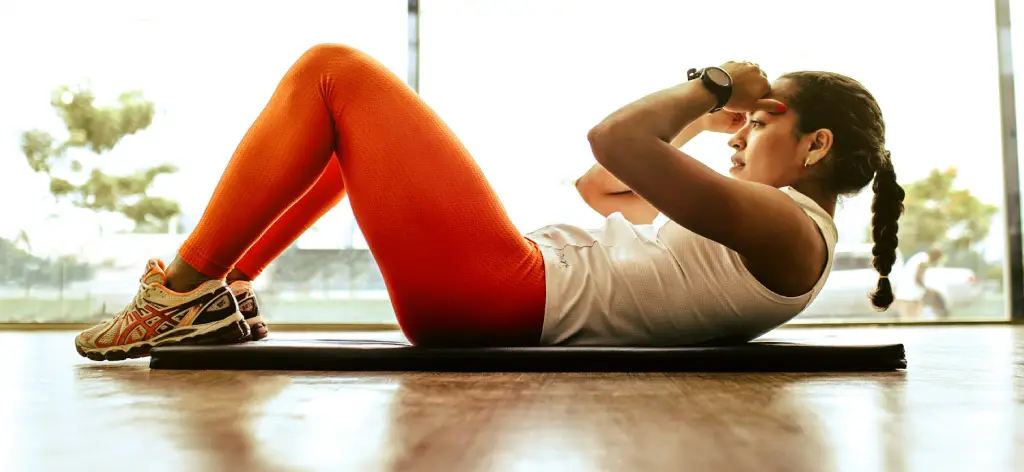
After treating more than 100 000 hips, one pattern shows up almost every time:
the glutes are asleep.
Use It or Lose It
Modern humans are professional sitters.
We spend most of our waking hours with our glutes off — driving, working, eating, watching TV.
And the body adapts: the muscles in the front tighten, the glutes forget how to fire, and the deep stabilizers burn out.
When those big power muscles go offline, smaller ones take over.
The back, knees, and deep rotators become overworked and inflamed.
It’s not weakness; it’s mis-communication.
The Dog-Food Analogy
Picture hoisting a 100-pound bag of dog food into your car.
Every muscle in your body helps, even ones that shouldn’t.
That’s exactly what happens when you try to walk, run, or play sports with glutes that don’t engage.
Everything strains, nothing flows.
Why Sitting Is So Damaging
When hip flexors and groin muscles stay shortened all day, they:
- Lose elasticity and blood flow
- Compress nearby vessels and nerves
- Lay down scar tissue that makes them feel “stuck”
Over time, the hips move like rusted hinges — and pain shows up not just in the hips but everywhere else.
How to Re-Educate Your Hips
The fix isn’t endless stretching.
It’s re-connection.
- Release the front — Free tight hip flexors and adductors.
- Reactivate the back — Retrain glutes and stabilizers to share the load.
- Regenerate tissue — Use SoftWave Therapy to restore circulation and healing.
- Reinforce movement — Micro-dose mobility throughout the day so the new pattern sticks.
Once your hips remember how to move, your body stops fighting itself.
The Takeaway
Hip pain rarely starts in the joint.
It starts with disconnection.
Re-educate your glutes and your hips will reward you with power, mobility, and longevity.
‹ Back
Recent Posts
-
-
-

-
-
Why Hip Bursitis Is Really Your Body’s Warning Light
January 5, 2026
 Book Your Appointment
  Call Us Now (843) 873-6004