761 St Andrews Blvd, Charleston, SC 29407
 (843) 873-6004
 Text Us


Blog
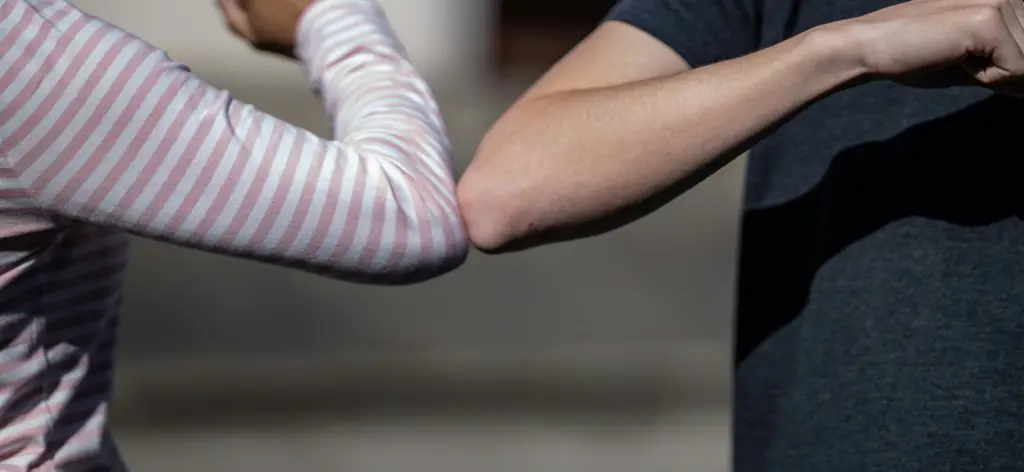
Why Your Elbow Hurts — and Why Steroid Shots Don’t Fix It
By Dr. Jeremiah Jimerson, DC, ART — Charleston, SC
If you’ve had elbow pain, chances are someone told you it’s tennis elbow or golfer’s elbow.
Maybe you got a cortisone shot. Maybe you wear a brace.
Both can bring short-term relief — but neither solves the real issue.
Repetitive Strain — The Real Culprit
Almost every case of tennis or golfer’s elbow comes down to one thing: repetitive sprain-strain injury.
Your forearm muscles are constantly gripping, scrolling, typing, or lifting.
Over time, that micro-repetition chokes blood flow and lays down scar tissue.
Scar tissue is like staples in a rubber band.
You can still use it, but it doesn’t stretch the same — and every use creates more tearing around the staples.
Your body responds by adding more scar tissue, slowly suffocating the muscle.
The Technology Trap
Back in the typewriter days, our muscles had built-in rest periods.
Each keystroke required effort — and release.
Blood could flow in, waste could flow out.
Today’s ultralight keyboards and touchscreens keep muscles firing constantly.
The amplitude of motion is nearly zero — which means the muscles never get to rest.
That’s why modern workers, athletes, and even phone users are developing chronic overuse syndromes that didn’t exist a generation ago.
When It’s Not the Elbow at All
Sometimes, the elbow pain is actually a downstream effect of:
- Tight neck or shoulder muscles compressing nerves
- Weak scapular stabilizers
- Poor posture from desk work
If a nerve is pinched upstream, it can radiate pain right into the elbow and forearm — mimicking classic tendonitis.
The Fix
- Release the adhesions — through targeted Active Release.
- Regenerate the tissue — with SoftWave Therapy to restore circulation and healing.
- Correct the pattern — by improving shoulder, neck, and postural stability.
- Reinforce the fix — with simple daily mobility drills to maintain tissue elasticity.
The Takeaway
Most forearm pain isn’t an overuse problem — it’s an under-recovery problem.
Once you restore blood flow and free the nerve and fascial chains, your body heals the way it was designed to.
‹ Back
Recent Posts
-
-
-

-
-
Why Hip Bursitis Is Really Your Body’s Warning Light
January 5, 2026
 Book Your Appointment
  Call Us Now (843) 873-6004