761 St Andrews Blvd, Charleston, SC 29407
 (843) 873-6004
 Text Us


Tennis & Golfer’s Elbow Relief in Charleston, SC
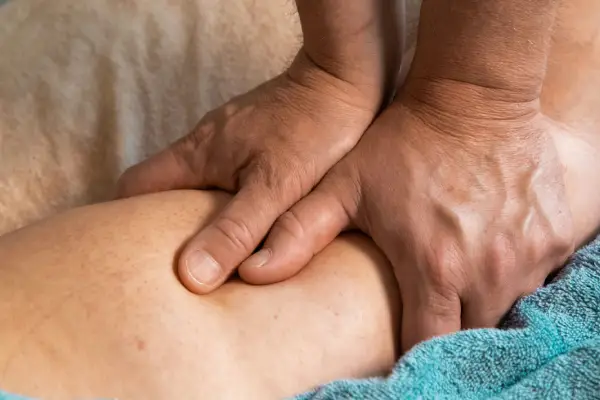
Why Your Elbow Hurts Has Nothing to Do With Your Elbow
If you’ve been diagnosed with tennis or golfer’s elbow, chances are you’ve tried one (or both) of the standard “fixes”:
💉 A corticosteroid shot to shut down inflammation
🦾 A forearm brace to shift where the muscles attach
Both can help temporarily — but neither solves the root cause.
After treating thousands of cases over 20+ years, I can tell you this:
Most elbow pain is not an elbow problem — it’s a forearm and nerve problem.
The Real Cause: Repetitive Strain & Modern Movement
Tennis and golfer’s elbow usually stem from repetitive strain — tiny microtears and adhesions that build up from daily habits like:
- Gripping a steering wheel for long periods
- Typing all day
- Scrolling or texting constantly
- Lifting weights or swinging a racquet
Over time, those small repetitive loads starve your forearm muscles of oxygen and blood flow while preventing waste from escaping.
Think of it like this:
Scar tissue builds up like staples in a rubber band.
You can still stretch it, but every time you do, you tear a little more around the staples.
At night, your body tries to “heal” by laying down even more scar tissue — and the cycle continues.
Why This Problem Didn’t Exist Decades Ago
Back when people used typewriters, no one complained about carpal tunnel or forearm pain.
Typing required big key presses — an inch or more per keystroke — which naturally gave the muscles micro breaks to restore blood flow.
Fast forward to today’s low-travel keyboards and touchscreens, and your muscles are firing millions of times per day without rest.
They’re exhausted, starved, and glued down with adhesions.
When the Pain Isn’t Even in the Forearm
Sometimes the pain isn’t coming from the forearm at all.
It can start higher up the chain — in the shoulder, neck, or even the shoulder blade.
A weak or tight shoulder girdle can pinch nerves that travel into the forearm, recreating the exact pain pattern of tennis or golfer’s elbow.
How I Fix It
- Active Release Therapy – Removes scar tissue and restores blood flow to the muscles and tendons.
- SoftWave Therapy – Flushes inflammation, breaks down old adhesions, and jump-starts new healing.
- Nerve & Postural Work – Restores space for nerves compressed in the neck, shoulder, or forearm.
- Movement Re-education – Teaches your body to move efficiently again, reducing re-injury.
Many patients see dramatic relief in just a few sessions — often after months (or years) of failed treatments.
Common Conditions I Treat
- Tennis elbow (lateral epicondylitis)
- Golfer’s elbow (medial epicondylitis)
- Repetitive forearm strain
- Carpal tunnel–type symptoms
- Nerve entrapments from shoulder or neck
- Grip weakness or forearm fatigue
Quick At-Home Test
“If your pain eases after this, it’s not your elbow — it’s your forearm fascia. And that’s great news.”
What Patients Say
-
"I had two cortisone shots and wore braces for months. After one session with Dr. Jimerson, I could grip my golf club again without pain."
Mike H., Daniel Island
Stop Treating Symptoms — Start Fixing the System
Your forearm pain isn’t random — it’s mechanical.
Once we restore blood flow, mobility, and nerve function, your elbow can finally heal for good.
Schedule My Elbow Relief Session Learn More on The Blog
“I had two cortisone shots and wore braces for months. After one session with Dr. Jimerson, I could grip my golf club again without pain.”
— Mike H., Daniel Island
 Book Your Appointment
  Call Us Now (843) 873-6004