761 St Andrews Blvd, Charleston, SC 29407
 (843) 873-6004
 Text Us


Blog
Why You Clench Your Jaw — and What That Says About Your Nervous System
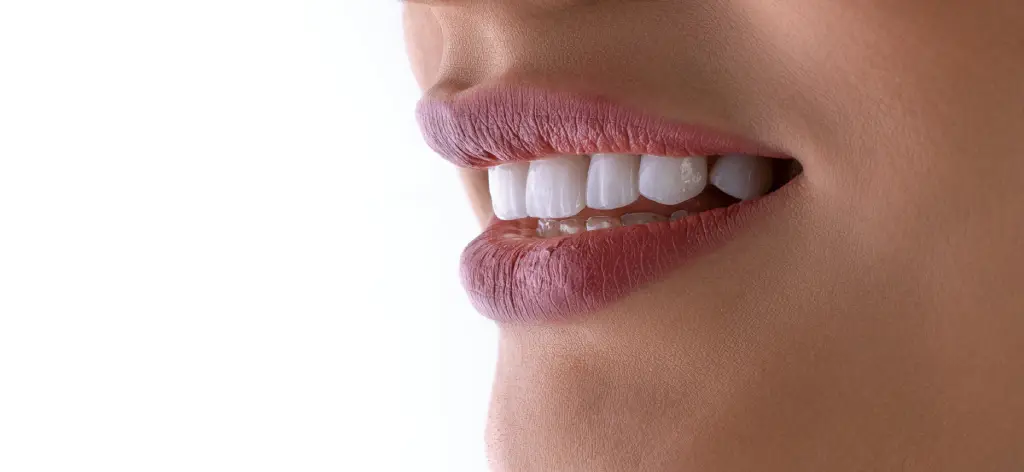
TMJ and jaw pain are among the most misunderstood conditions in healthcare.
Most people are told they grind their teeth at night — but no one asks why.
The Symptom Trap
If you’ve been prescribed a mouthguard, you’re treating symptoms, not the cause.
The real question isn’t how to stop grinding — it’s why your nervous system feels the need to clench in the first place.
The Hidden Roots of Jaw Dysfunction
You’ll find research from Stanford showing that our processed-food diet has led to underdeveloped jaws and weaker chewing muscles.
Other universities have proven that mouth breathing and poor tongue posture reshape the jaw and airway over time.
But the biggest missing piece is motor control.
When your core is weak and can’t stabilize your spine, your nervous system recruits your jaw muscles as backup stabilizers.
That’s right — you clench to protect your spine.
Over time, the body programs this pattern like software.
It becomes your default operating system.
Why You Grind at Night
During the day, your brain constantly uses small movements to turn off pain and stiffness.
At night, when those muscles cool and you stop moving, they seize up.
The nervous system senses instability and tries to “re-anchor” the body — by clenching.
That’s why so many people wake up with sore jaws or headaches even though they slept through the night.
A Patient I’ll Never Forget
A wedding-cake decorator came to me unable to open her mouth wider than a finger.
She’d seen multiple specialists and was days away from having her jaw broken and wired shut.
Within minutes of treating her medial pterygoid muscle — the deep muscle inside the jaw that most providers never touch — her jaw released and she smiled for the first time in months.
No drugs. No surgery. Just logic and precision.
The Fix
- Release the internal jaw muscles — the medial and lateral pterygoids.
- Free the external muscles — the masseter, temporalis, and suboccipitals.
- Calm inflammation with SoftWave Therapy.
- Re-educate breathing and core engagement so the nervous system doesn’t need the jaw for stability.
The Takeaway
TMJ pain isn’t random — it’s an adaptive pattern.
When you retrain your body’s software, the jaw stops clenching because it finally feels safe again
‹ Back
Recent Posts
-
-
-

-

-
Why Hip Bursitis Is Really Your Body’s Warning Light
January 5, 2026
 Book Your Appointment
  Call Us Now (843) 873-6004